
Inlays and onlays are indirect dental restorations that occupy the middle ground between a filling and a crown. They are used when a tooth has too much decay or damage for a filling to adequately restore, but the damage is not extensive enough to warrant a full crown. They are crafted in a dental lab for a precise fit and superior durability.
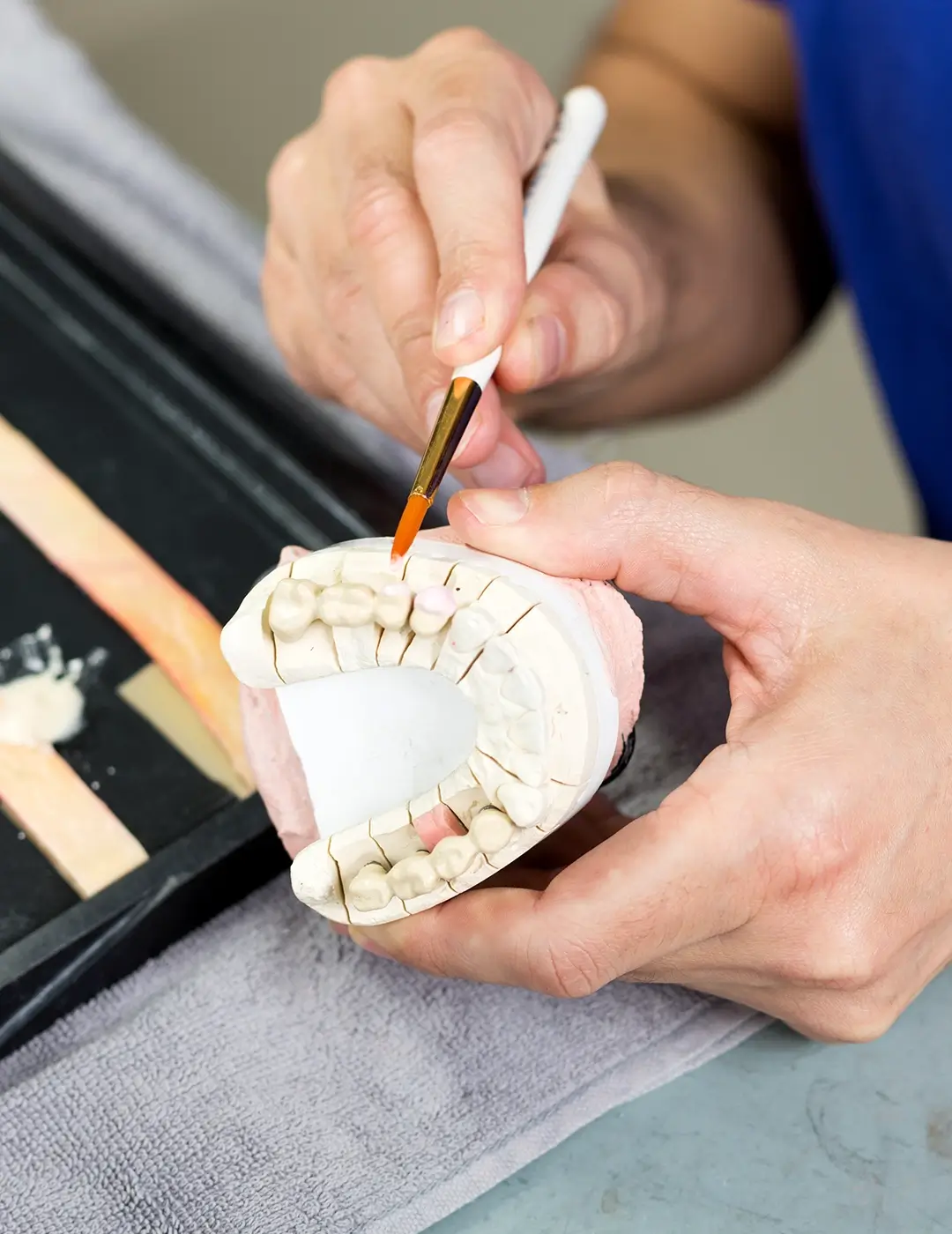
Inlays vs. Onlays — What's the Difference?
An inlay fits within the cusps of the tooth — essentially replacing a large filling in the central chewing surface. An onlay extends over one or more cusps of the tooth and is sometimes called a 'partial crown.' Both are bonded to the tooth, strengthening it and restoring full function. They are typically made from tooth-colored porcelain or composite resin.
Advantages Over Traditional Fillings
Inlays and onlays are stronger and more durable than large direct fillings, especially for back teeth that absorb significant chewing forces. Because they are custom-fabricated, the fit is highly precise. They preserve more healthy tooth structure than a crown, and they are more resistant to staining and wear than composite fillings.
Benefits of Dental Inlays and Onlays
- More conservative than a crown — preserves tooth structure
- Stronger than large fillings
- Custom-shaded to match your tooth
- Resistant to staining and wear
- Precise fit from lab fabrication
- Long-lasting solution for damaged back teeth
Frequently Asked Questions
How long do inlays and onlays last?
With proper care, porcelain inlays and onlays can last 10–20 years — significantly longer than large composite fillings.
How many appointments are needed?
Typically two. At the first appointment, the tooth is prepared and impressions are taken. A temporary restoration is placed while the lab fabricates your inlay or onlay. At the second appointment, the final restoration is bonded.