Teeth Replacement Options
Finding the Right Solution for Your Smile
Every patient's needs are unique. Dr. Baker will help you understand which option is best for your specific situation. Here's an overview of available treatments:
Single Dental Implant
Ideal for replacing one missing tooth. A titanium implant is placed in the jawbone, and a custom crown is attached. Preserves bone and adjacent teeth.
Implant-Supported Bridge
Replaces multiple consecutive missing teeth using implants on each end as support. More stable than a traditional bridge and doesn't require altering healthy teeth.
Partial Denture
A removable appliance that replaces several missing teeth. Clips onto remaining natural teeth for support. More affordable but less stable than implants.
Full Denture
Replaces all teeth in an arch. Sits on top of the gums. Conventional dentures require adhesive for stability. Less expensive initially but can affect taste and chewing.
Implant-Retained Denture
A full denture that snaps onto 2-4 implants for stability. Much more secure than conventional dentures but still removable for cleaning. Great intermediate option.
Full Mouth Implants (All-on-4/6/8)
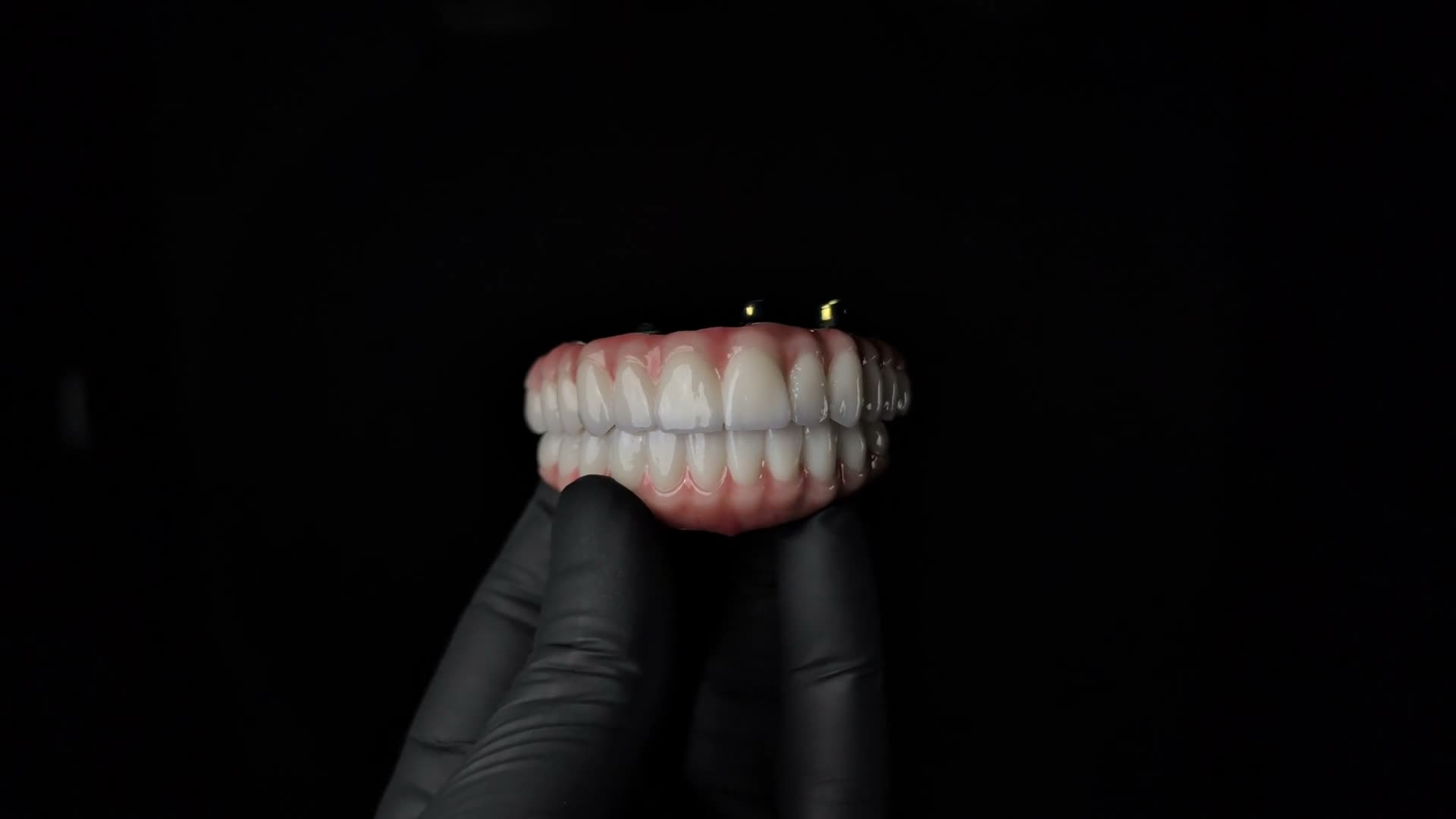
The gold standard for full arch replacement. Four to eight implants support a permanent full arch of teeth. Look, feel, and function like natural teeth. Never need to be removed.
Not Sure What You Need?
During your consultation, Dr. Baker will examine your mouth, review X-rays, and discuss your goals to recommend the best treatment plan for you.
Keep exploring
Keep looking around
A few more places to see the work before you decide.