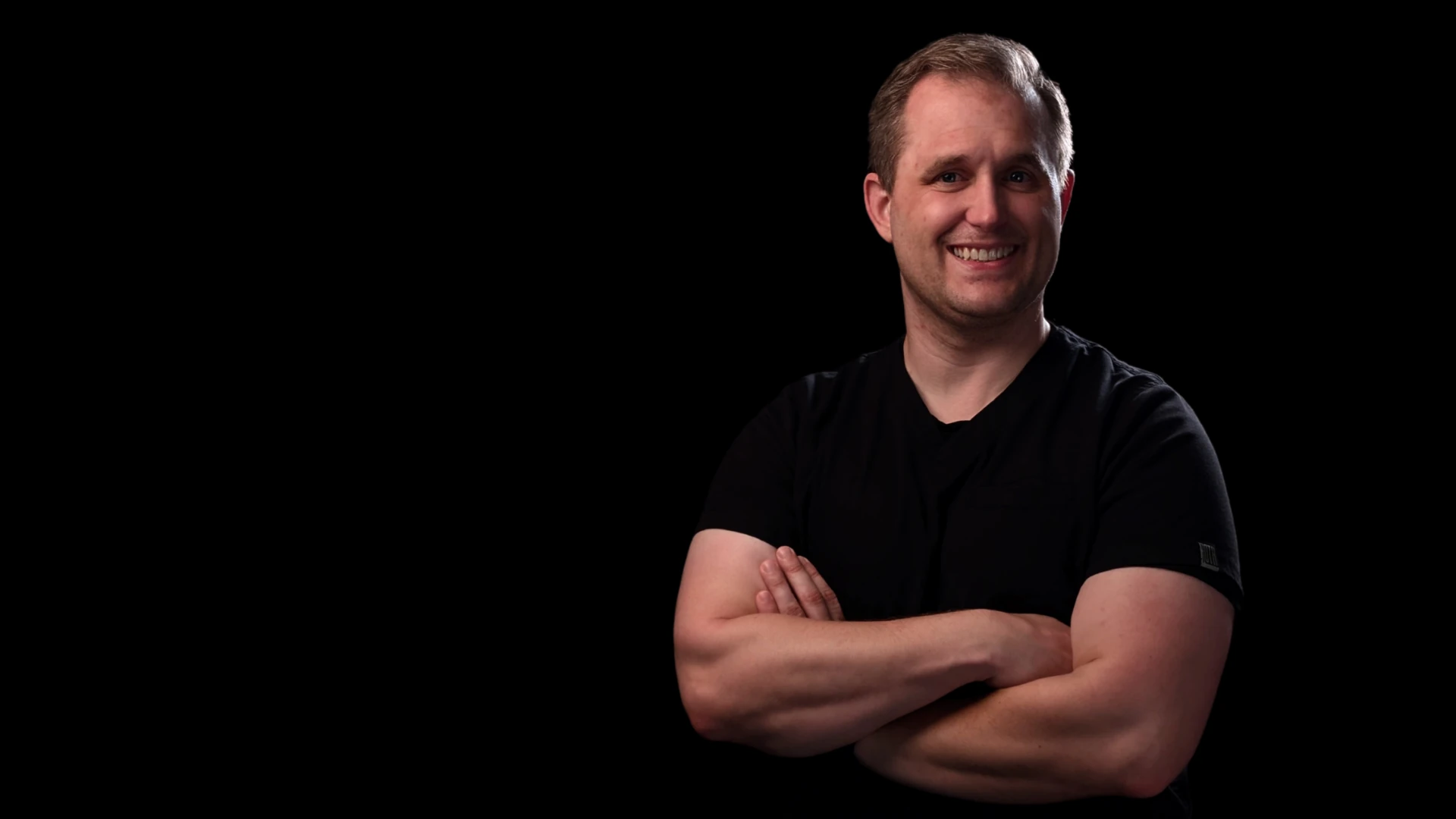
Meet Dr. Morton Baker
Complex dental work shouldn't require blind trust
When you need major dental work, you get asked to make big decisions fast. About procedures you have never heard of, materials you have no way to judge, and results you may live with for decades. His first job is to make those decisions make sense to you.
Request an appointmentThe long way in
He didn't plan on dentistry
Science came first. Then literature and languages took over. He spent a year teaching English in Daegu, South Korea, speaks Japanese, and gets by in Korean. He wanted to make a career in linguistics, but there was almost no work in it.
So he went looking for something with two things in it. Work that helps the person sitting in front of him, and a skill deep enough that he could keep getting better at it for the rest of his life. Dentistry had both.

How he works
The questions rarely stop at the office
Once a problem catches his attention, he has a hard time leaving it alone.
Dr. Baker has logged more than three months of listening time on Audible alone.
That does not include the printed books, podcasts, professional groups, or hundreds of hours of dental education he completes each year.
He reads far outside dentistry. Books about craftsmanship, decision-making, psychology, business, and learning often give him a new way to examine a clinical problem. Then the clinical question sends him somewhere else: into a course on full-mouth rehabilitation, a professional study group, implant training, restorative design, or a moderate-sedation program.
One question tends to uncover another.
How will the surgery affect the final teeth? How will those teeth affect the bite? Will the restoration be practical to clean and repair? Is the added procedure actually useful to the patient? What are the limits of the sedation being considered?
He keeps following those questions until he can see how the pieces connect.
Patients do not need to study all of that themselves. They need someone who has explored the problem deeply enough to explain the path in front of them.
Learning the lab's own work
Why some implant teeth work better than others
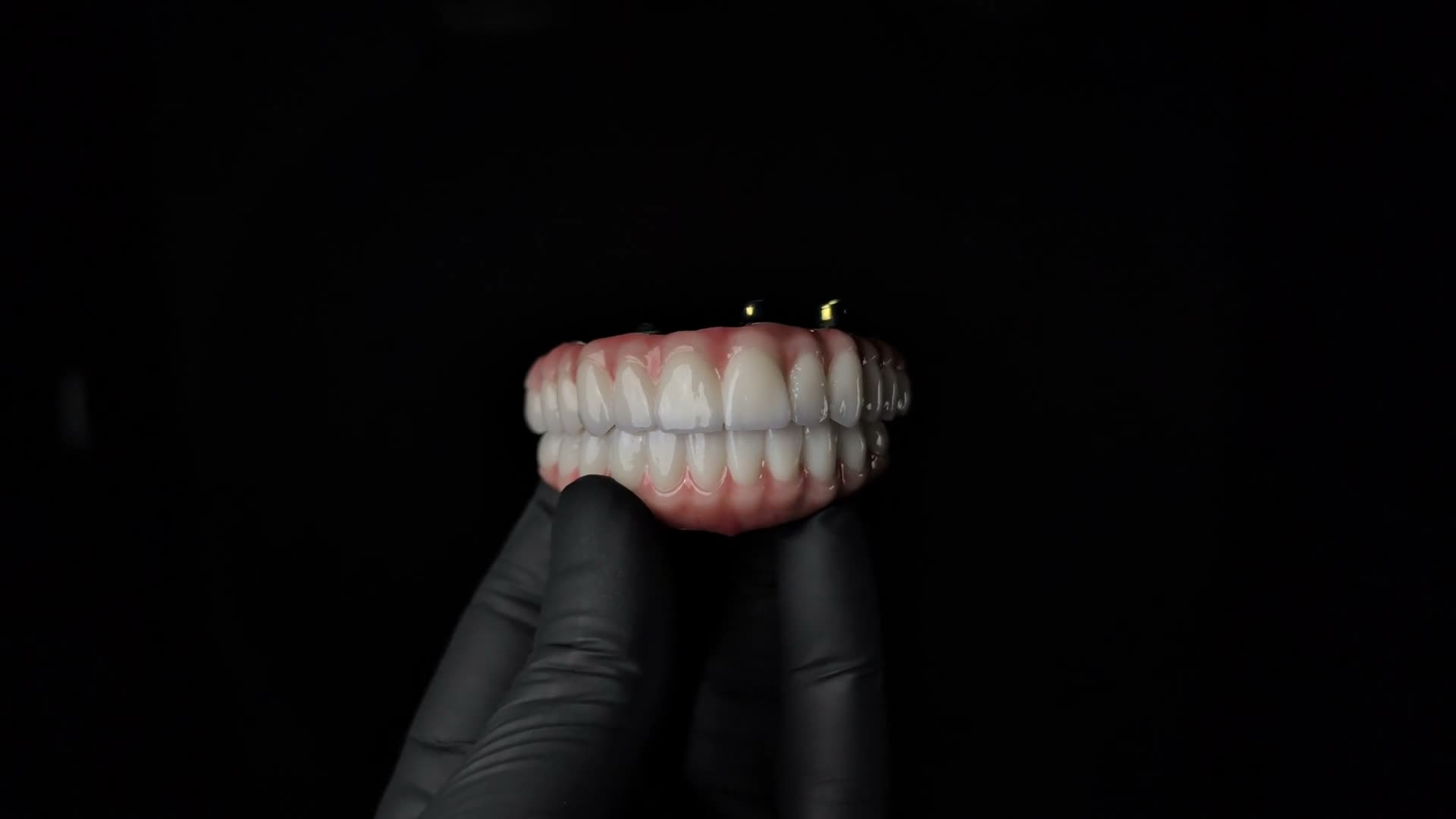
Placing the implant is only part of rebuilding a tooth. The crown and the parts beneath it have to fit the space, stay put, look natural, and still be practical to place and keep clean.
Early on, the crowns coming back from the labs were not giving him that. Some did not have enough retention. Some were a fight to seat. He could have kept sending them back with notes. Instead he learned the same design software the labs use, took the courses, and designed the restorations himself until he understood how the crown, the abutment, the implant position, the materials, and the available space all work together.
He does not design every crown now. Once he understood the whole thing from the inside, he could plan cases better, tell a lab exactly what he needs, and see the difference between a crown that looks fine on a screen and one that will actually hold up in your mouth.
On sedation
Knowing exactly where his limits are
Sedation comes in levels, from a little something to take the edge off up to full sleep. Dr. Baker trained and qualified to provide moderate sedation, and he chose a program that went past the minimum, cases and all. But finishing the training only answered one question: what he was cleared to do.
He wanted to understand the rest of it. So he studied the guidance anesthesiologists wrote for sedation performed by dentists and other non-anesthesiologists. How they choose who is a good candidate, how they monitor, how they step in when something changes, and the point where a case should be handed to someone with different training. The goal was not to push his limits. It was to know exactly where they are. When a case calls for full sleep, he brings in an MD anesthesiologist.
Sit down with Dr. Baker.
One exam, every option explained — including doing nothing.
What that means for you
It became how he practices
Dentistry is full of new products, upgraded procedures, and add-on services. Before Dr. Baker brings one into the practice, he wants to know what it actually changes for the patient, not just whether it is marketable or billable. If the likely benefit does not justify the cost, the hassle, or the risk, he would rather leave it off your plan.
So when you sit down, he turns the screen toward you and shows you what he sees. He gives you the real options with the honest cost and tradeoff of each, including the one that makes him the least money. He tells you what he knows and what he cannot promise. Then you decide.
"My job is to educate you and help you reach your version of a healthy mouth, not to sell you mine. No pressure, no tricks."
Why one doctor
The person planning the surgery also has to live with the teeth
In a big case, every piece depends on the others. Where the implant goes shapes how the tooth is designed. The tooth design decides how it cleans, how it sounds, how strong it is, and how it looks. The bone you have shapes the surgery. The surgery shapes the sedation and the recovery.
When one person carries all of that, nothing falls through the gap between offices. Dr. Baker does the extractions, the implants, and the final crowns himself, and he stays responsible for how they fit together. Routine care for the whole family happens here too, but the reason he keeps complex work under one roof is not convenience. It is so one person is accountable for the result.
In a patient's words
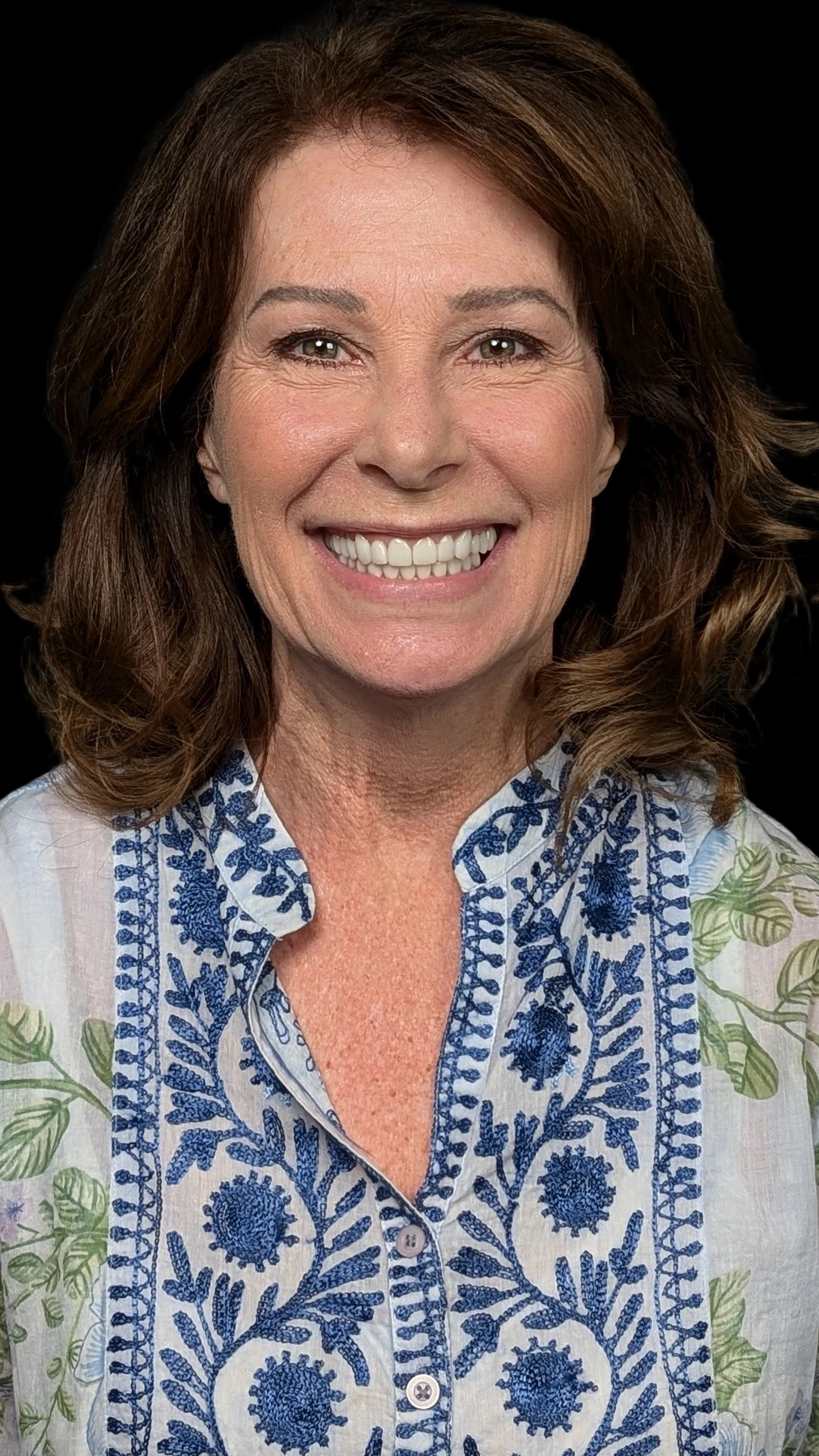
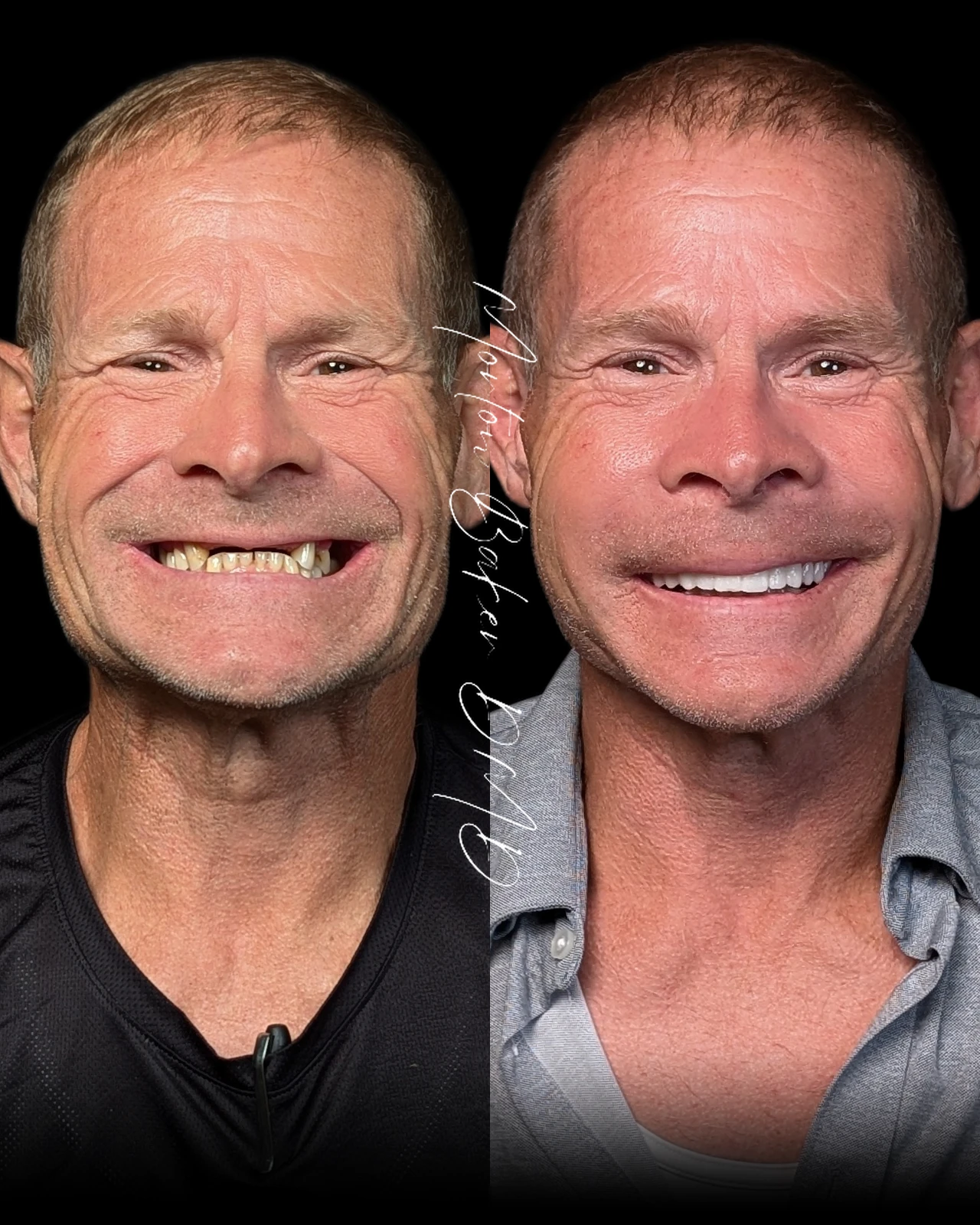
"I had dentures before, and Dr. Baker was able to add implants and convert my teeth to an all-on-4. He is one of the kindest and most knowledgeable doctors I have ever met."
Sit down with Dr. Baker.
One exam, every option explained — including doing nothing.
Away from the office
Off the clock
See the fishingDr. Baker and his wife Ayumi are raising three kids in Fort Worth: Maria, Isaac, and Louis. He grew up in rural Oklahoma, where as a boy he trained a green mule to side-pass down steep trails on a spoken command. These days he fishes, including deep-sea trips in Japan with the kids along, tinkers, keeps a small aquaponics setup running, and 3D-prints whatever the current project needs.
See the fishing


Connect with us
See where you stand
New patients are seen within 48 hours. In-network with most major PPO plans, so you pay your in-network rate. Book a visit and Dr. Baker will show you what he sees and what your options are.
Keep exploring
Keep looking around
A few more places to see the work before you decide.